Are you interested in foraging herbs and other edible wild plants? At one time in ancient history, foraging herbs was a necessary acquisition for mankind’s survival, recently becoming quite popular for both food enhancements and medicinal purposes. Plus foraging edible wild plants has become a popular hobby for many. This guide focuses primarily on wild herbs.

Recent studies show that Western medicine and its therapeutics are successful in their applications with all manners of wild edible plants and herbal usage. Easily obtained, herbs are available in a wide range of natural products for assorted reasons, obtained through their cultivation or from foraging in deserts, forests, or meadows.
Foraging for herbs and edible wild plants is not an easy art, requiring knowledge of their locations, how to pick them, what to pick on them, and when to pick them. For this reason, herbal practicioners should be sought for novices or those with little herb expertise before “venturing into the great herbal unknown.” Highly recommended are this foraging book and this edible plants book. Books area great way to get started in foraging.
BENEFITS OF FORAGING
The advantages of herbal foraging and usage includes a lack of toxic effects in many herb, the diversity of their chemicals, tremendous affordability, the complexity of its structure, and the activity of the herb’s biological make-up, as long as the correct herbs are used for the correct purposes. The combination of conventional medicine and natural foods or natural herbs are thought by many to be better than any either of them alone, with drugs always used as a last choice.
Herbs can be grown at home or wild herbs foraged in the great outdoors, appropriate as long as accurate knowledge of the herbs have been obtained beforehand through books, workshops, or classes. Individual self-learning through books is sufficient with some background knowledge of herbal usage, requiring an education that is more-or-less a “hands-on” process. This is very important as many pictures do not conform to what the plant actually is, which can lead to problems in some cases. So consider in the field foraging classes when they are avialable.
HISTORY OF FORAGING HERBS
Herbal history offers a wealth of information from almost every culture on Earth, with local herbs used ritualistically by most ancient cultures. Unfortunately, a tremendous amount of herbal history was lost in Great Britain during the reign of James VI of Scotland, as many with herbal knowledge were persecuted as they were considered “witches.” Therefore they were tried and burnt at the stake, with their herbal information destroyed along with them in books and manuscripts.
The Ancient Times of foraging edible wild plants
History shows us that the first documentation of plants used for medicine and food use was on clay tablets about 300000 B.C., during the Neolithic era of their ancient burial grounds. The reason they were in this location was because the plants were to follow the dead ones into the afterlife, as they had been so useful to them when they were in this life. In fact, in Iraq a burial site contained evidence of eight medicinal plant varieties for the trip to the afterlife, a site that was 60,000-years old.
The first civilization to use plants scientifically were the Chinese in approximately 2700 B.C, while the Greek physician Hippocrates (who developed the Hippocratic oath of the medical field today) later developed a highly scientific method of foraging for the diagnosis and prognosis of many diseases with appropriate applications of certain herbs.
Foraging herbs in Europe
Herbs were brought into Britain through its Roman occupation, when the Roman soldiers used herbs to treat their ailments and their prisoners. At this time, books referencing herbs and their applications became available from both Greece and Rome medical professionals through the military.
Prior to the prosecution of the herbal healers in England, Europe was the center of herbal knowledge for many years through the process of “humoral medicine.” The herbs were labeled as phlegmatic, dry, cold, wet or hot and treated through the “doctrine of signatures” as their healing powers were applied to the part of the body they most resembled. If a plant looked like a certain organ, it would be applied to that ailing area to cure it.
The European religious monks tended their herbal gardens as medical cabinets, where they could freely treat the needy and those who were ill. Their remedies were written down with accurate documentation, listing the patients’ information, their ailment, and what herbal application was used in the treatment. This has offered to the world a wide variety of knowledge of that past era and its illnesses and diseases, little which survived the witch hunt in England.
HOW TO FORAGE FOR HERBS AND EDIBLE WILD PLANTS

All plants have their own growth cycle. This involves the plant’s chemical composition-its daily rhythms and the climate’s effect on the plant. Depending on when that plant is picked, the active components that are needed can be found at different times of the day, different growth cycles, and certain times of the month.
Due to this, a lot of study and research has been done on many of the wild herbs used today. What has been found is that each wild herb has different levels when its active constituents are much higher than at another time, notably when the plants most active growth cycle is close to its end.
Some rules of thumb for picking and foraging herbs and wild plants are: spring for picking barks; leaves should be picked before the flowering parts; flowers should be picked when they first open; and roots should be picked in the fall or early spring as long as the roots are dug deep enough to get all of it. Choosing an extremely sharp knife used for cutting plant parts is advisable to prevent the plant from going into shock, as comparing to a dull knife and hacking away at the plant.
Other tips for foraging edible plants and herbs for food are to pick ten miles or more from any dumping areas that are toxic or from waste disposals, pick over one-fourth mile from highways, and pick in areas that are free of any type of pollution-chemical or industrial. No herbs should be picked with chemicals or pesticides on them, as they will carry contaminates to the products being used.
The names of plants have common names which vary by their locations, but their scientific names are what discern them from one another as their species have multiple variations. Making sure that the correct plant part (flower, stem or root) is picked as other parts will have different active constituents from what is desired. As stated, it is important to pick these parts when they are ready: leaves should be picked prior to the plant’s flowering stage; flowers should be picked right before it reaches full bloom and begins to die; roots and rhizomes when they begin to dry up and wither right above ground level, and the plant begins to be dormant.
The best time to pick wild herbs and edible wild plants is on a dry day after the morning dew has passed as moisture will cause mold in the drying stage (except for picking bark as moist bark will peel easier). The best times are mid-day or even early mid-morning before the sun becomes the most intense, as it’s ray will cause the herbs to change to chlorophyll manufacture instead of the needed chemical production. If seeds are needed, pick them when they are the most plumb and ripe.
SOME POPULAR HERBS USED TODAY
1. ECHINACEA-once used by Native Americans, Echinacea boosts the immune system and fights off infections, known to increase the potency of white blood cells while increasing its activity. $72 million dollar industry.
2. GINKGO -the sales of this herb reached $147 million dollars in 2007, one of the most popular herbs to improve blood flow to the brain. It is said to promote alertness of the mind, improve memory, asthma treatments, and for male sexual functioning.
3. ST. JOHN’S WORT-sales of $104 million dollars for mild to moderate depression treatments due to recent studies, showing it is as effect as standard antidepressants with less side effects.
4. GINSENG-an $84 million dollar herb used to treat fatigue and weakness.
5. GARLIC-used as a food herb and also a $77 million dollar herb for high cholesterol.
Many people plant a “kitchen garden” inside the home or close-by, where favorite food herbs are picked to enhance the foods being cooked. Some popular herbs are basil, rosemary, chives, thyme, French tarragon for egg or dairy dishes, sweet marjoram for any dish using oregano, and sage for both medicinal purposes (sore throat and colds) and to enhance meat or poultry dishes.
Dandelions which grow wild in the yard is an excellent herb for its leaves and roots, used by many grandparents in dandelion salads or wilted dandelions. Used as a laxative or bowel stimulant, it also tones and strengthens the stomach. Known to be used for colitis, gallstones, and liver diseases, such as hepatitis.

HOW TO DRY HERBS
Once picked, the foraged herbs need to be dried, while purchased herbs should already be dry. Drying is accomplished by spreading them onto wire cooling racks as they will allow the air to circulate around them while drying, laying them in the sunlight or shade to lessen the drying time. Obviously, the shade will take longer but it has been found to preserve more of the plant’s aroma.
Many have found that brown paper bags work also, as long as the bag is not too full. Once sufficiently dry, the herb should crumble to the touch and be papery in appearance. Otherwise they need to be taken from the bag and spread on a flat surface in a dry dark area to prevent mold from developing.

HOW TO STORE HERBS AND EDIBLE WILD PLANTS
Herbs include the roots, flowers, leaves or stems of plants, and should be completely dried before they can be placed inside a dry container. Any herbs which have volatile oils need to be stored in dark glass containers or glazed ceramics with lids that are tight-fitting. Otherwise, they can be stored in boxes or sacks. All need to be stored away from heat or sunlight, or they will lessen in potency otherwise.
Wild Edible Plants and Foraged Herbs, Books, Recipes, and Uses
Here are a few suggestions for books, recipes, and uses of wild edible plants and foraged herbs. The recipes and uses for foraged wild herbs and plants come from from fellow bloggers, so go visit them and see their great insights into using wild herbs and plants for food and health.
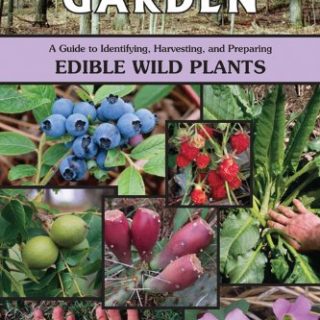
Partners/West Book Distribution Nature39;s Garden: A Guide to Identifying, Harvesting, and Preparing Wild Edible Plants
An all around good guide to foraging edible wild plants, herbs, and food.
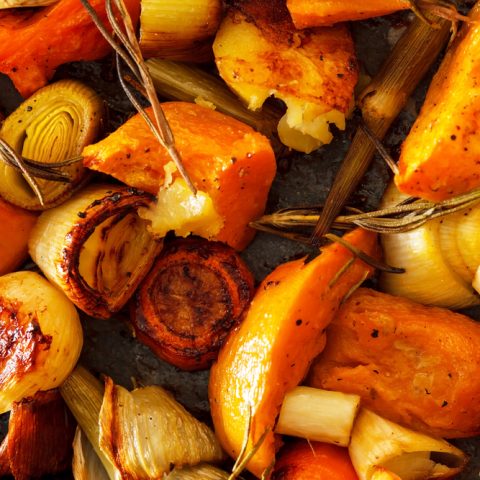
Herb Roasted Vegetables
Roasted vegetables are great with just about any aromatic or favorable foraged herbs.
How to make herbal sleep tea
Because herbal sleep tea is truly an awesome thing!
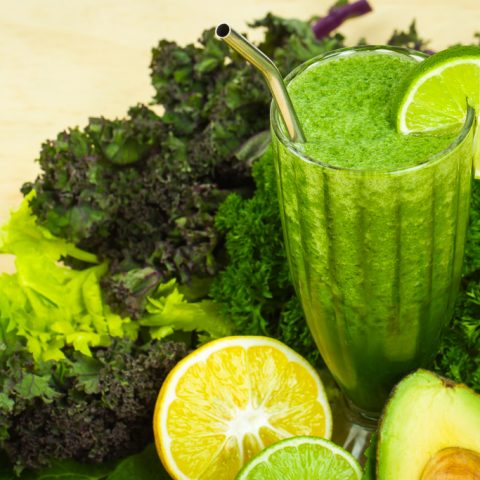
Lemon Berry Sorrel Nutribullet Smoothie
If you have Sorrel, this smoothie is a great use for it.
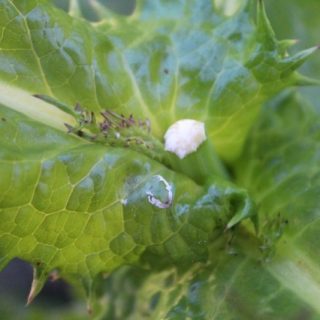
Using Wild Lettuce for Natural Pain Relief
How to use wild lettuce for more than food. It can also be used for pain relief.

Eat Milkweed, Help Save the Monarchs
I had no idea that some milkweed was edible! Please read this before foraging since there are some toxic look alike plants.

Why You Need Wild Cherry Bark In Your Home Herbal Apothecary
Great uses for wild cherry bark.
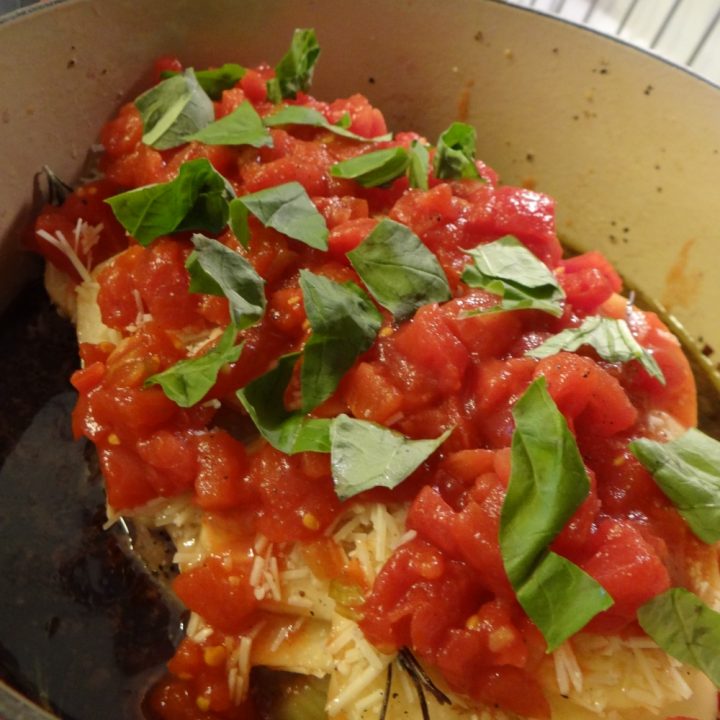
Red Wine Braised Beef
This red wine braised beef pot roast uses a number of common herbs that many grow in their gardens.
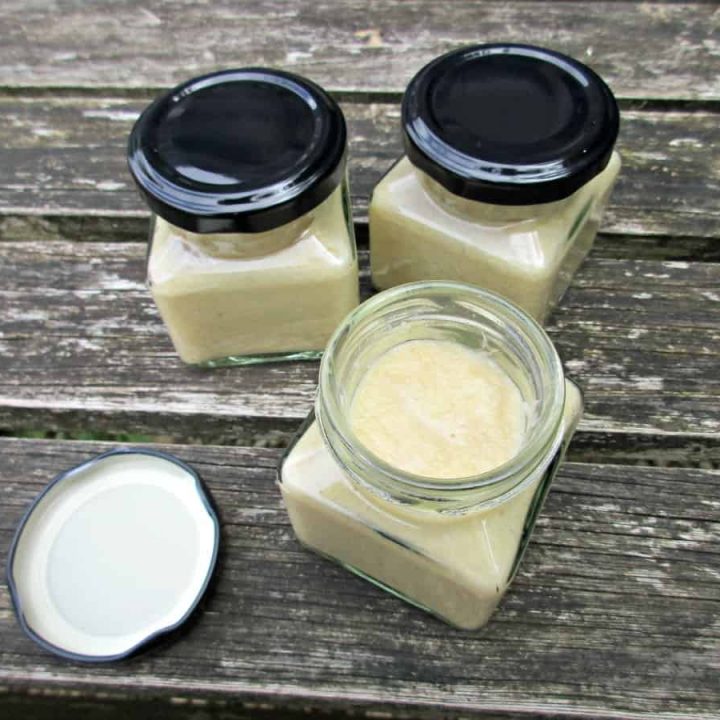
How to Make Wild Horseradish Sauce and Vodka
This is a awesome use of wild horseradish! Yum!

I can’t find this book anywhere on the internet, please could you give me the link so I can purchase it.
Thank,you
Hi! Links to two books are in the third paragraph of the blog post, plus there is a book link in the resources at the end.